Robotics Classes in Tokyo: What Parents Should Check
Thinking about signing your child up for robotics classes? Great idea! But not all classes are the same. Some teach real skills. Others just have kids follow instructions and copy a kit.
Here’s what to look for so you choose the right one.
What Should a Good Robotics Class Include?
A great class should cover all four of these:
- Building: putting parts together and understanding how they work
- Coding: writing the instructions that make the robot move
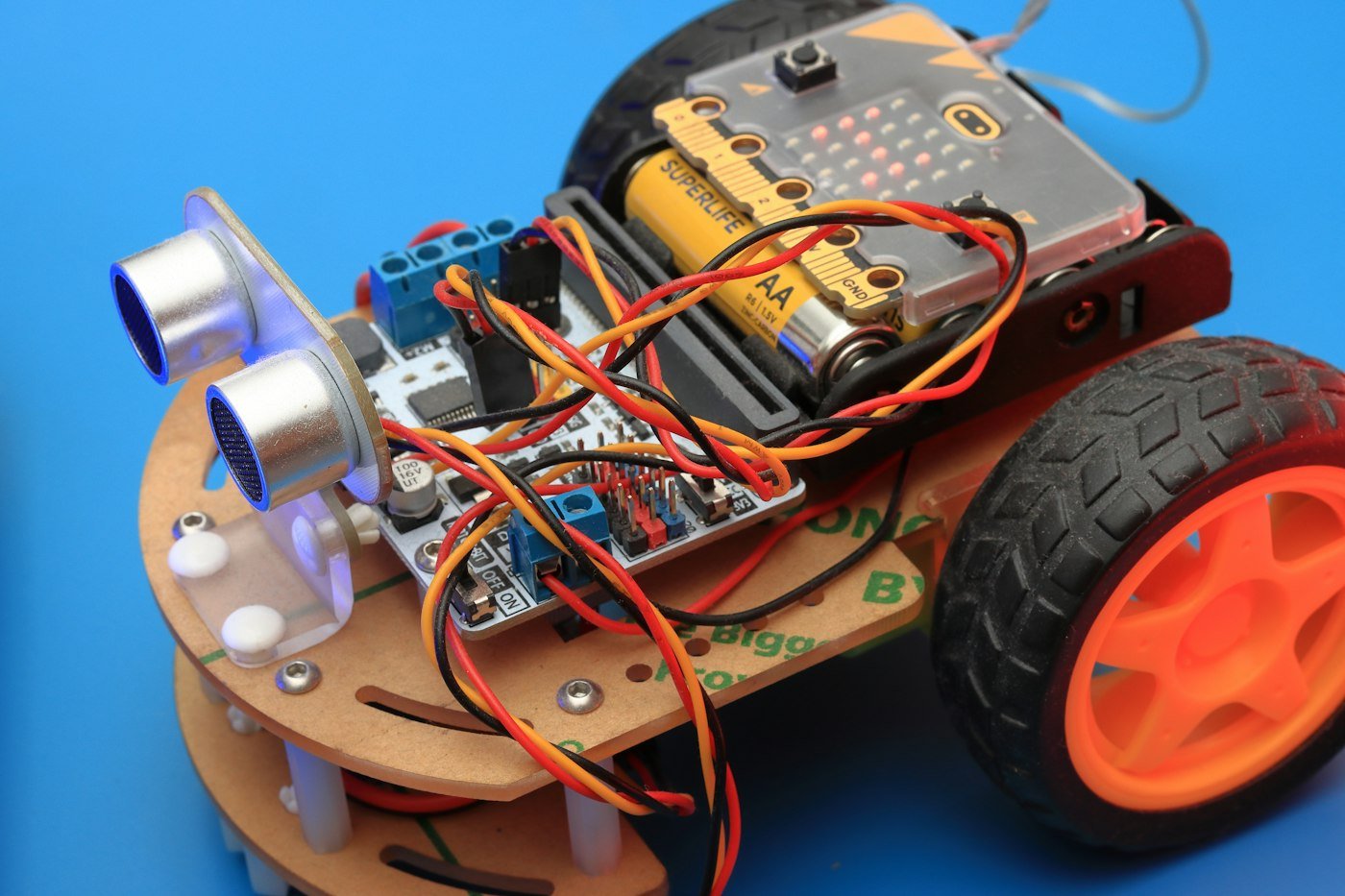
- Sensing: using sensors so the robot can “feel” what’s around it
- Improving: testing what went wrong and making it better
Younger kids focus more on building. Older kids get into real coding and electronics.
What Age Is Right for What?
| Age | What they should be doing |
|---|---|
| 5–7 | Simple building, basic movement, following guided steps |
| 8–11 | LEGO robotics, block coding, using sensors in team challenges |
| 12–14 | Micro:bit and Arduino, electronics, open-ended projects |
| 15–18 | Advanced programming, automation, building their own systems |
Ask if the program checks your child’s experience level, not just their age.
Kits Used in Good Robotics Programs
- LEGO SPIKE Prime — ages 8–14
- micro:bit — ages 10+
- VEX Robotics — ages 12+, competition-level
10 Things to Check Before You Sign Up
1. What do they actually build?
“Children build robots” isn’t a real answer. Ask for examples. A good class should be able to say something like: “Kids build a sensor vehicle that detects obstacles and they have to fix the code when it doesn’t work.”
2. Do kids make their own decisions?
Following a manual step-by-step teaches assembly. But kids also need to make choices, try things, and figure out why something didn’t work. Ask how much of the project is up to them.
3. Is the teacher actually good?
Watch how the teacher works. A good robotics teacher:
- Asks “why do you think that happened?” instead of just fixing it
- Makes sure every child gets a turn, not just the loud ones
- Explains what the activity has to do with real engineering
- Adjusts challenges for beginners and advanced kids
4. How many kids share one robot?
If 4 kids share one kit and only one child ever touches it, the others aren’t really learning. Ask how the class is set up. Good programs rotate roles: builder, coder, tester, and note-taker.
5. Is it safe?
Robots use batteries, wires, and small parts. Make sure the class has clear safety rules. If kids use tools or solder, check the supervision level and age requirements.
6. Does the program get harder over time?
Repeatedly building a different model at the same skill level isn’t real progress. Ask: what’s the difference between beginner and advanced in this program?
7. How do they track what your child learns?
Look for photos of projects, code they’ve written, or teacher feedback. This isn’t about tests. It’s so you and your child can see real progress.
8. Does it fit your schedule?
Travel time, train access, class timing, and school holidays matter. The best class in Tokyo isn’t helpful if your child can only attend half the sessions.
9. Can you try a trial class?
Always try before committing. After the trial, ask your child:
- What problem were you trying to solve?
- What did your code tell the robot to do?
- What didn’t work at first?
- What would you try differently next time?
If they can answer these questions, the class is teaching them something real.
10. Does the class build independence?
The goal isn’t just to make a robot. It’s to help your child think like an engineer — spotting problems, testing ideas, and working things out on their own.
Ready to Try?
Explore our robotics classes for kids in Tokyo or check out our STEM camps and workshops.
Ready for your child to build their first working robot?
Register your interest and we’ll match your child to the right age-level robotics pathway.