Robotics for Kids: 9 Powerful Skills They Develop
Robotics is not just about building robots. It is about how kids learn to think.
When a child builds a robot, they make decisions, test ideas, and fix problems. That process builds real skills — skills that go way beyond technology, and that show up in how they handle school, friendships, and setbacks.
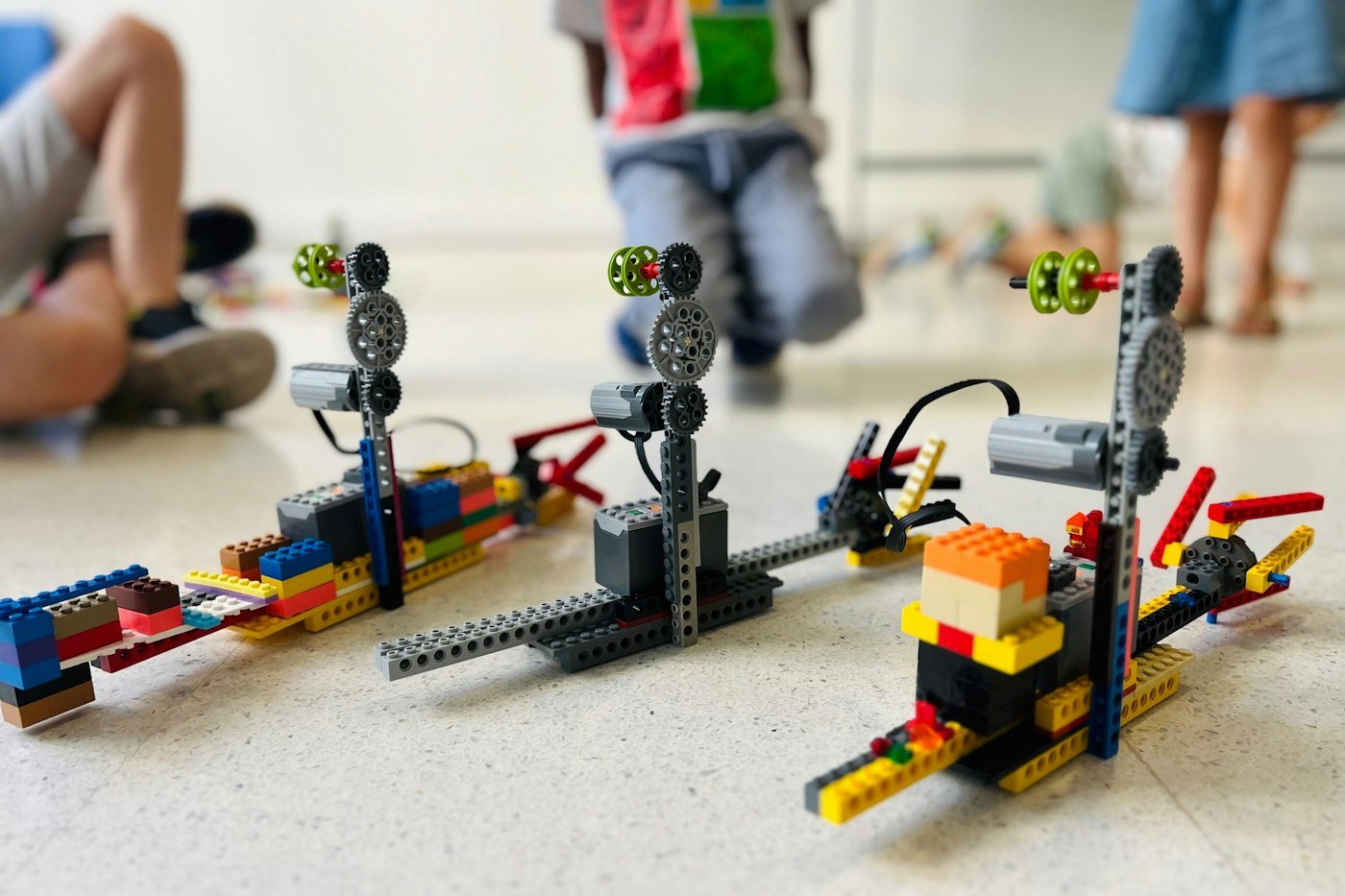
Here are 9 skills robotics helps kids develop.
1. Breaking Big Problems Into Small Steps
“Make the robot follow this path” sounds simple. But it is not one step — it is ten. Kids learn to stop and ask: what does the robot need to do first? Then what? This thinking helps in school, work, and everyday life.
2. Coding Logic
Robotics makes coding real. Kids can see what happens when they write a loop or add a condition. If something goes wrong, they can see it — and fix it. Abstract ideas become concrete.
3. Engineering Thinking
The first version of anything is never perfect. Kids plan, build, test, and improve. Maybe the robot tips over. Maybe it turns the wrong way. That is not failure — that is engineering.
4. Not Giving Up
Robots almost never work on the first try. Kids learn to look at what went wrong, figure out why, and try something different. This is one of the most useful habits a child can develop.
5. Seeing How Parts Connect
Change the wheel size and the robot moves differently. Move a sensor and the code behaves differently. Kids start to see that everything is connected. Changing one thing changes other things.
6. Being Creative
There is no single right answer in robotics. Kids make choices — how the robot looks, what it does, how it moves. Two kids given the same challenge will make two different robots. That is the point.
7. Working With Others
Building a robot with a partner means talking, sharing, and sometimes disagreeing. Kids learn to explain their ideas and listen to other ideas too. These are teamwork skills that matter everywhere.
8. Explaining Their Work
When kids present their robot, they have to explain what the problem was, what they built, and how it works. If they truly understood it, they can explain it clearly. If they cannot explain it, they probably did not fully understand it.
9. Feeling Confident With Technology
Many kids see technology as something mysterious that other people made. Robotics changes that. When a child builds something that works, technology becomes something they can control and create. That is a powerful shift.
Kits Worth Knowing About
- LEGO SPIKE Prime — great for ages 8–14, drag-and-drop and Python coding
- micro:bit — a tiny, affordable programmable computer, great for ages 10+
- Arduino — for older, more motivated kids ready for real electronics
What Makes a Good Robotics Program?
- Kids spend most of the time building and coding, not watching.
- There is a real challenge to solve, not just instructions to copy.
- Projects get harder as kids improve.
- Kids can explain what their robot does and why.
- Safety is taught clearly.
Does the Kit Matter?
Not as much as people think. LEGO, micro:bit, Arduino — these are all just tools. A cheap kit with great teaching beats an expensive kit with poor teaching every time.
Ready to Start?
Check out our robotics classes in Tokyo and our programs by age. The best outcome is not a finished robot. It is a child who knows they can figure things out.
Want your child building their first robot?
Register your interest and we’ll match your child with the right kit and starting challenge.