Best Age to Start Coding: A Clear Guide for Parents
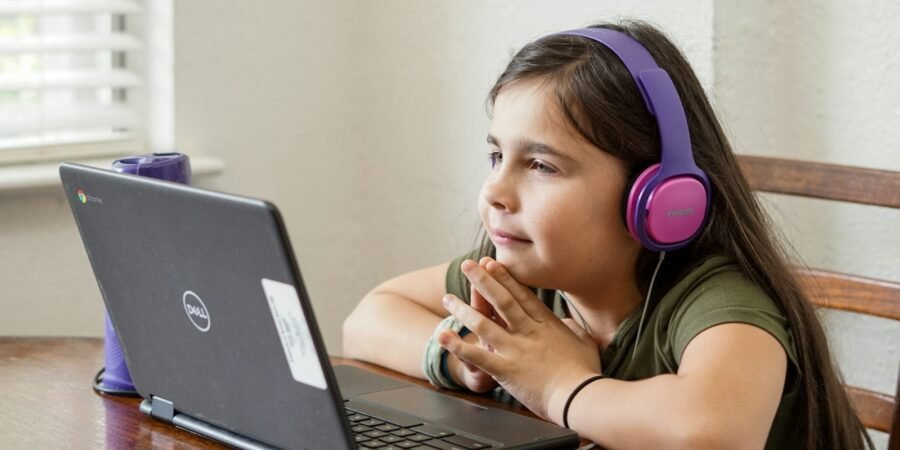
Parents often ask: “When should my child start coding?” The short answer is: when it feels fun, not forced.
There is no perfect age. Starting well matters more than starting early — and starting at the wrong pace, even at the “right” age, can put a child off coding for years.
A Simple Age Guide
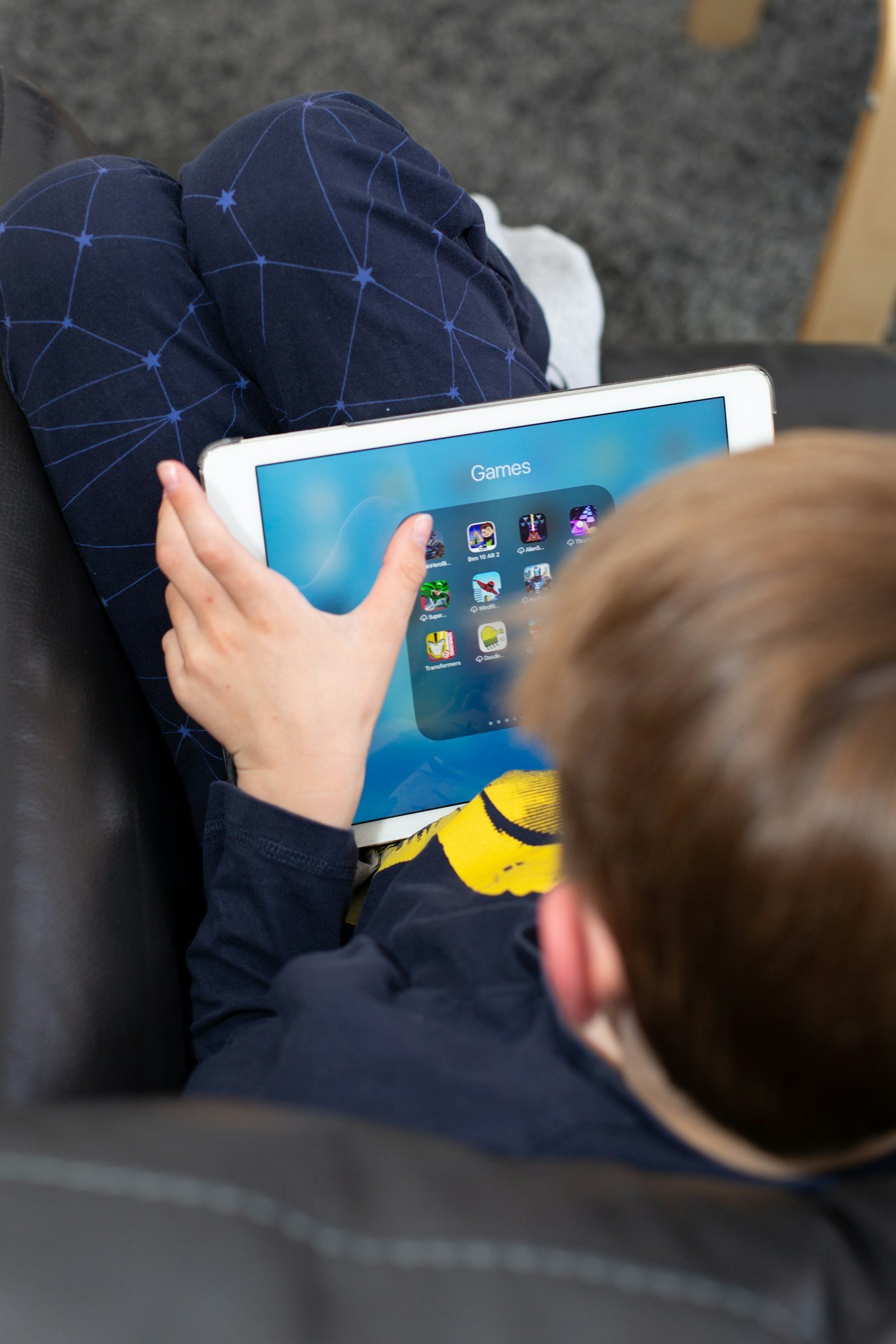
- Ages 5–7: Play games that use simple steps and patterns. No screens needed. Think puzzles and movement games.
- Ages 8–11: Build things in Scratch. Make games, animations, and stories. No typing needed yet.
- Ages 12–14: Start writing real code. Python and web design are great here.
- Ages 15–18: Build real projects. Apps, websites, games. Things they can show people.
These are guides, not rules. Every child is different.
Is My Child Ready? Click Your Child’s Age
Tap an age group for a starting activity you can try this week — no sign-up needed.
Ages 5–7
Try arranging picture cards in the order needed to “program” a friend to make a sandwich, or explore ScratchJr together on a tablet. Goal: understand that instructions have results.
Ages 8–11
Try Scratch — let them pick their own game idea rather than following a tutorial exactly. Goal: build one full project, even a simple one.
Ages 12–14
Try Code.org’s Hour of Code in Python, or a beginner web design tutorial. Goal: write and run real code, and get comfortable reading error messages.
Ages 15–18
Try picking a real problem — a website for a club, a small tool, a game — and building toward it. Goal: a finished project they can show people.
How Do You Know If Your Child Is Ready?
Age is not the only sign. Look for these things:
- They like puzzles or building things.
- They can follow a few steps in order.
- They wonder how games or apps work.
- They do not give up easily when something is hard.
- They want to make something, not just play something.
Kids do not need to be good at maths to start. Coding is more about thinking carefully and trying things out.
What Coding Looks Like at Ages 5–7
Keep it simple and playful. No long typing sessions.
Good activities include: arranging picture cards in order, playing games where they give instructions to a friend, or using a simple tool like ScratchJr. The goal is just to understand that instructions have results.
What Coding Looks Like at Ages 8–11
This is the best time to start building real things in Scratch.
Kids can make games, quizzes and animated stories. They learn about loops, conditions and fixing bugs — without the frustration of typing syntax perfectly.
Let them choose what to build. A child who picks their own game idea will work harder than one following instructions they did not choose.
What Coding Looks Like at Ages 12–14
Now they can try real code. Python is the most popular starting point. It reads almost like English.
Websites are also great here. Kids can see results right away, which keeps them motivated.
If they already know Scratch, the jump to Python is not as big as it looks. The ideas are the same. Only the look of the code changes.
What Coding Looks Like at Ages 15–18
Teenagers do best with real projects that mean something to them.
A website for a local group. A game they want to play. A tool that fixes a problem they have. These are more powerful than any exercise from a textbook.
Tools Worth Trying at Home, Free
- ScratchJr — for ages 5–7, no reading required
- Scratch — for ages 8–11, drag-and-drop coding
- Code.org’s Hour of Code — for ages 12+, real code in the browser
Can They Start Too Early?
Yes, if it is done badly. Sitting a 5-year-old in front of adult coding software will not help. It will put them off.
Early coding should be playful, short, and social. No pressure. No memorizing. Just exploring.
Can They Start Too Late?
No. There is no age that is too late to learn coding. Older beginners often learn faster because they can read and think in more complex ways.
How Much Practice Do They Need?
A good weekly class plus short practice sessions works better than cramming. Coding is a skill. It grows slowly with regular use.
Do not force it. If they are excited, that is the best sign.
Find the Right Starting Point
Browse our programs by age or check out our coding classes in Tokyo.
Not sure which pathway fits your child?
Tell us their age and interests and we will recommend the right starting point — no obligation.